Showing posts with label Camera Critters. Show all posts

Saturday, May 2, 2009

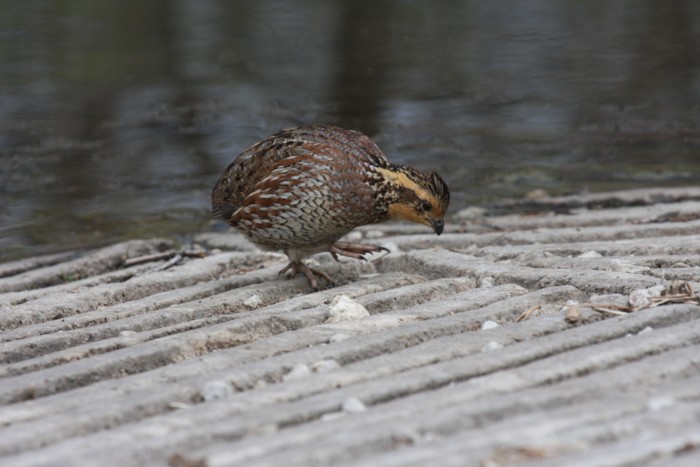
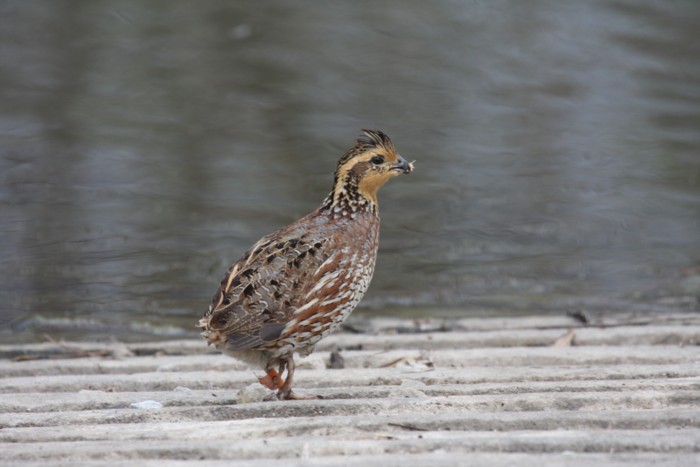
Camera Critters-Northern Bobwhite

Out at Branched Oak Lake this week I saw this pretty lady. Her gentleman friend was with her when I came upon them, but I had the lens cover on the lens and by the time I rectified that little problem he was gone. I don't believe I had ever noticed how stubby the tail of a bobwhite was before.


Head on over to Camera Critters to see more critters (by clicking on the icon)


Camera Critters

Saturday, April 25, 2009

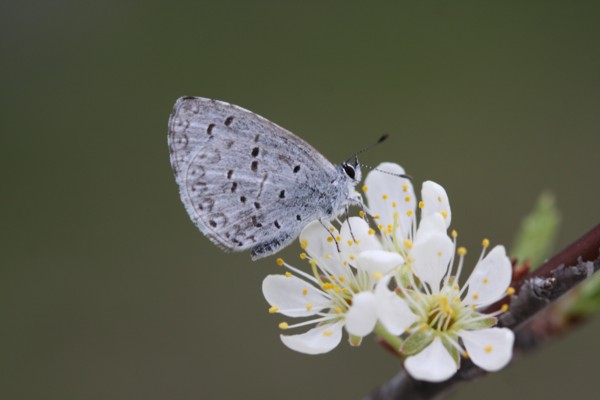
Camera Critters--First Butterfly of the Year

I said the Muskrat photo was the last of the photos from Squaw Creek NWR. I had forgotten about the first butterfly of the year. There was also a Zebra Swallowtail flitting about in the area. They are stunningly beautiful, but they don't light very long and I only managed one very lousy photo of it.

So the first (and only, so far) butterfly photographed this spring is a Spring Azure.


Head on over to Camera Critters to see more critters (by clicking on the icon)


Camera Critters

Saturday, April 18, 2009

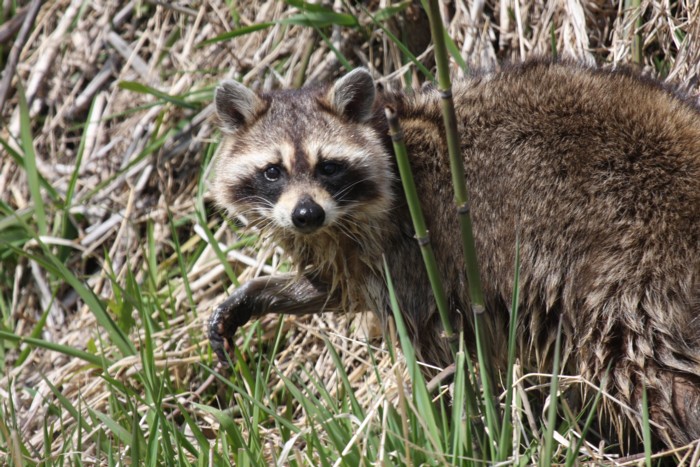
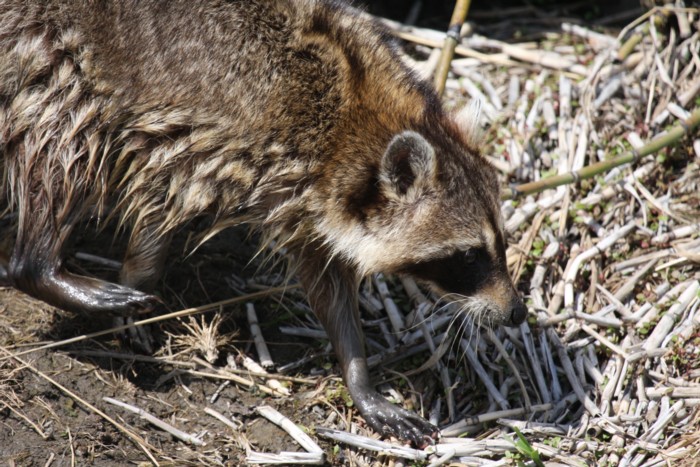
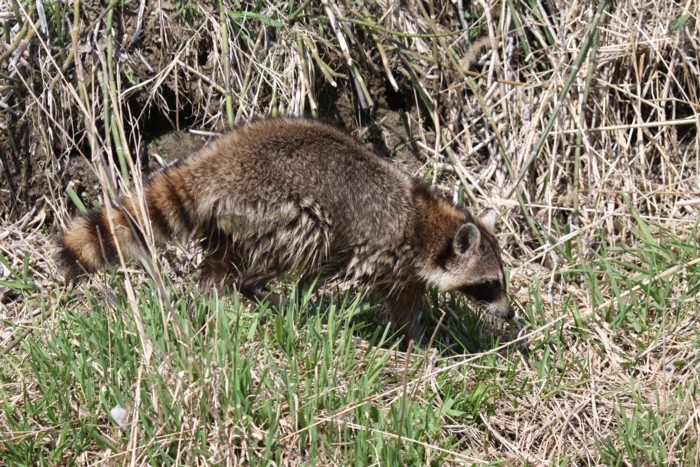
Camera Critters-Raccoon

On Thursday I went down to Squaw Creek NWR and look who was out and about!


Head on over to Camera Critters to see more critters (by clicking on the icon)


Camera Critters

Saturday, March 28, 2009

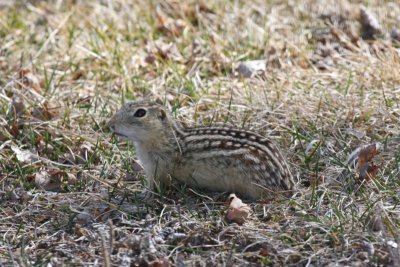
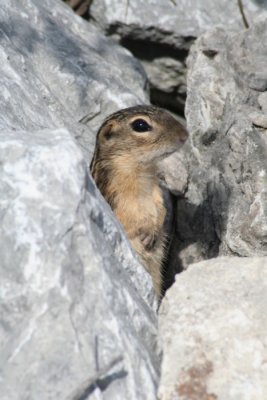
Camera Critters--Thirteen-Lined Ground Squirrel

Awhile back I paid a visit to the used book store and among several other books that I came home with was the Kenn Kaufmann book on Mammals. I've had a lot of fun going through it and finding out interesting factoids.

I took this picture of a thirteen-lined ground squirrel a couple of weeks ago.


larger image


There are 21 species of ground squirrels in the United States, with most of them are in the central and western regions of the U.S. The thirteen-lined are found in the central part of the U.S. and originally were a resident of short grass prairies. They have adapted and are now also found in places where the grass is mowed such as parks, golf courses, etc. They construct burrow systems where they will store food to feed on during bad weather. They hibernate from fall to spring.

I took this photo a couple of years ago and it's always been kind of a favorite


larger image


Head on over to Camera Critters to see more critters (by clicking on the icon)


Camera Critters

Saturday, March 21, 2009

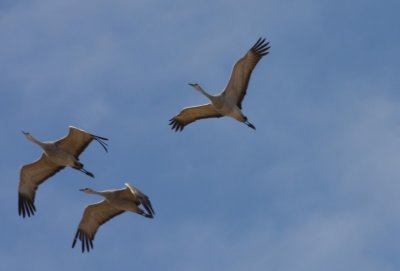
Camera Critters-Sandhill Cranes

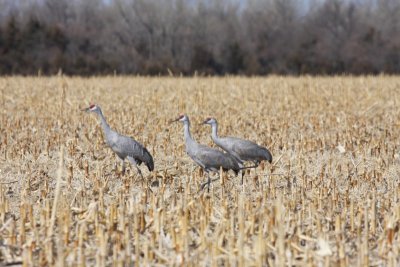
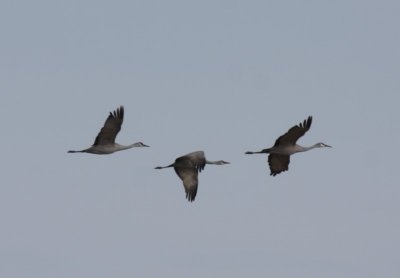
Every year, during March and early April, more than 80% to 90% of the world's population of Sandhill cranes pass through the Platte River Valley. It is the largest assembly of sandhill cranes in the world. The cranes come to rest and refuel as they prepare to journey to breeding grounds in Canada, Alaska, and Siberia.

The cranes using the Platte River is not a new phenomenon. Fossil remains of a sandhill crane date as far back as 8 million years.

During the day the sandhill cranes feed on waste corn in corn fields adjacent to the Platte River. The corn is about 90% of their diet. The remainder of their diet consists of insects, earthworms, snails and plants. During their stop in Nebraska, cranes will gain nearly 10% of their body weight.

The cranes spend the night on sandbars in the Platte River. The river offers the cranes protection from predators during the night. Being in a blind along the Platte River to watch the cranes come back to the Platte at night, or to watch them lift off in the morning is an awesome experience. I did neither this year. But watching them feeding in the corn fields is interesting also.

larger image

larger image

larger image


More about Sandhill Cranes can be found here

Head on over to Camera Critters to see more critters (by clicking on the icon)


Camera Critters


UPDATE: Sunday morning March 22.
The Lincoln Journal Star has an article about the sandhill cranes in todays paper.
Saturday, March 14, 2009

Camera Critters

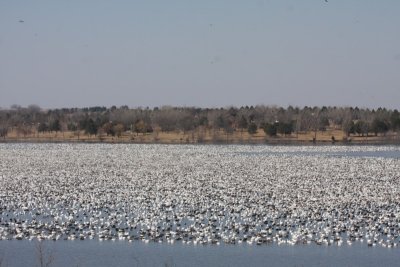
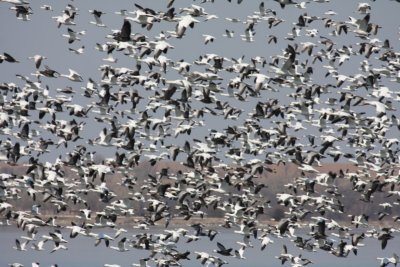
Yesterday I went out to Branched Oak Lake to see what was going on. This is what I saw

Thousands and thousands of Snow geese

larger image


larger image


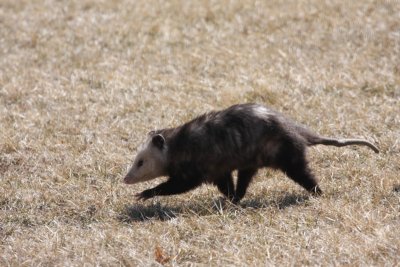
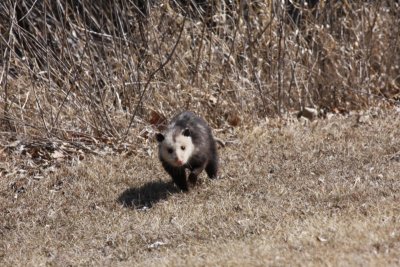
My bonus for the day was an Opossum out and about foraging. I think they are so ugly that they're cute.

larger image


larger image


Head on over to Camera Critters to see more critters (by clicking on the icon)


Camera Critters

Saturday, March 7, 2009

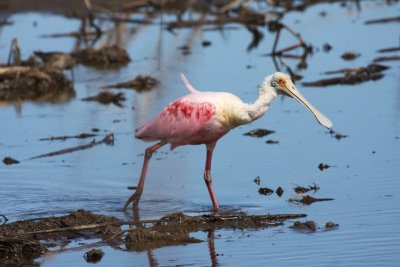
Camera Critters---Roseate Spoonbills

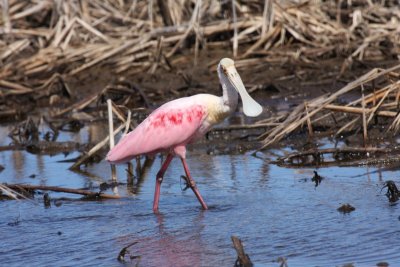
My decision to go to Texas in February was motivated by the desire to see a Roseate Spoonbill. I had never seen one in real life and I decided the time had come to change that.

I first saw some at Brazoria NWR.


larger image


larger image


larger image


More Roseate Spoonbill photos.

Head on over to Camera Critters to see more critters (by clicking on the icon)


Camera Critters

Saturday, February 28, 2009

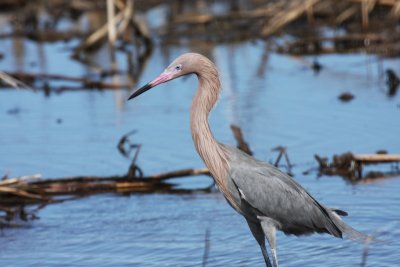
Camera Critters---Reddish Egret

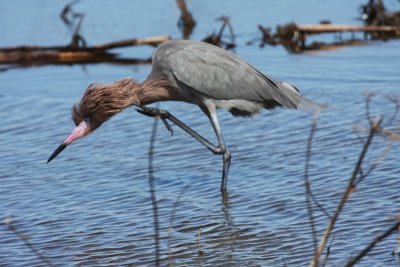
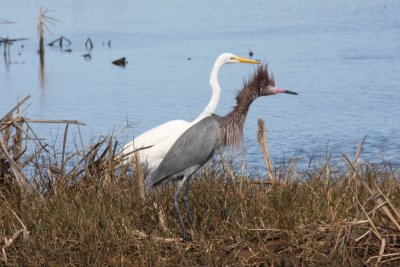
I recently spent 10 days on the Texas coast. One of my favorite birds from the trip was the Reddish Egret. They are quite handsome. While feeding they seem to lurch from place to place. The thing I found most interesting about them was their head feathers. One field guide described them as "shaggy plumes" and another described them as "loose-feathered".

These photos were taken at Brazoria NWR. Brazoria was one of the refuges that was damaged during Hurricane Ike. According to the sign at the closed visitor center, things were beginning to come back. The day I spent there, there seemed to be a nice variety of birds.


larger image


The next two photos show the "shaggy plumes"

larger image


A Northern harrier had just passed over, and this is the reaction it evoked

larger image

Head on over to Camera Critters to see more critters (by clicking on the icon)


Camera Critters

Saturday, January 3, 2009

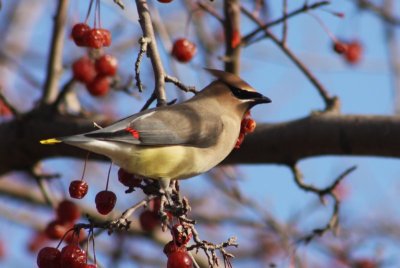
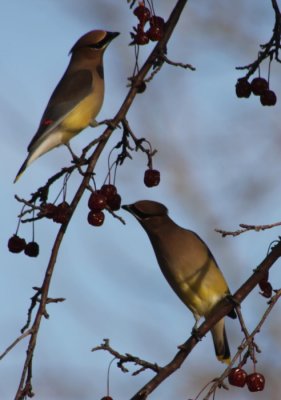
Camera Critters---Cedar Waxwings

Yesterday was one of those gorgeous winter days that make it impossible to stay inside. So I headed out with cameras and Miz Winnie (the dawg). I was in search of at least one good bird photo to start the new year out right. We had been out for quite a while, and I had just mumbled to Miz Winnie that it looked like we were'nt going to score any bird photos when lo and behold we came upon a flock of Cedar Waxwings. I think they are a very elegant bird.

Cedar Waxwings are almost always found in large flocks. They are berry eaters. Waxwings are named for the waxy droplets at the end of their secondaries. Translated to nonbirdspeak, that means the red area on the wing that is very apparent in the first photo.


larger image


larger image


larger image

Click on the icon below for more Camera Critters


Camera Critters

Saturday, December 27, 2008

Camera Critters

Miz Winnie is a Beagle mix that I got about five weeks ago from Basset and Beagle Rescue of the Heartland. She's about five years old and a real sweetie. Some of my friends gave her a Christmas present. Since Miz Winnie is a polite dog, we took photos, so we could send an appropriate thank you note.


For more Camera Critters


Camera Critters

Saturday, December 20, 2008

Camera Critters

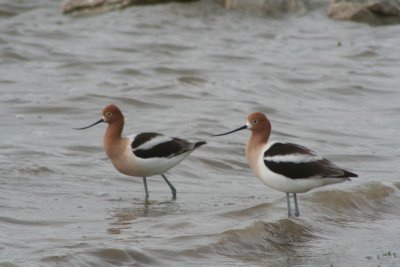
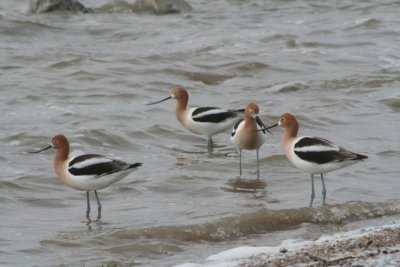
Todays Camera Critters are American Avocets. Avocets feed by sweeping their long bills back and forth. Females can be differentiated by shorter and more curved bills. The difference is fairly obvious in this first photo.


larger image


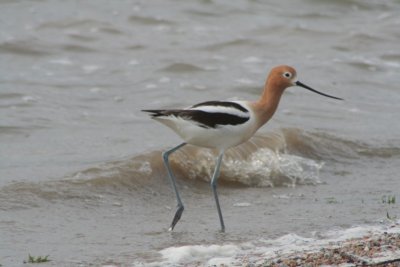
I just love their blue legs.

large image


The toe webbing of Avocets is well developed and they are among the few shorebirds that regularly swim. This picture sort of shows the toe webbing

larger image


Photos were taken at Pawnee Lake

Check out more critters at Camera Critters


Camera Critters

Saturday, December 13, 2008

Camera Critters II

All week I have posted photos from the Nebraska Sandhills. For my Camera Critters post, I couldn't decide whether to post farm animals or insects, so I decided to do two posts. The insects are in the post immediately below this post.

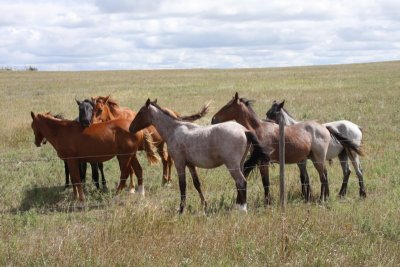
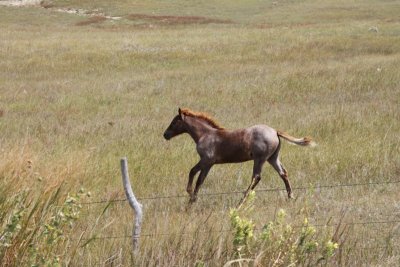
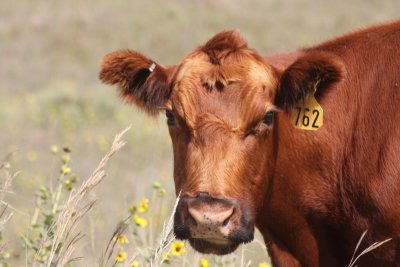
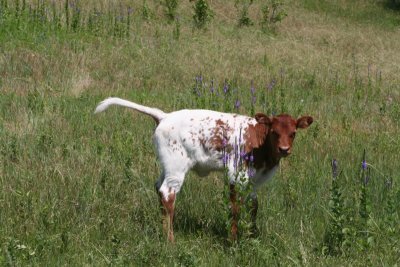
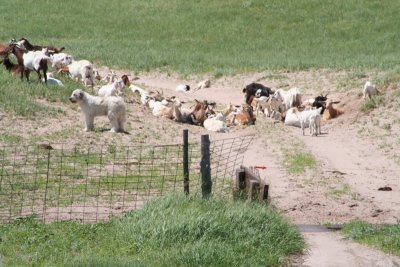
Ranches dominate the Sandhills, so of course there are plenty of farm animals


larger image


larger image


larger image


larger image


larger image

For more Camera Critters click on the logo


Camera Critters

Camera Critters I

I couldn't decide whether to do insects or farm animals for the Camera Critters, so I decided to do two posts.

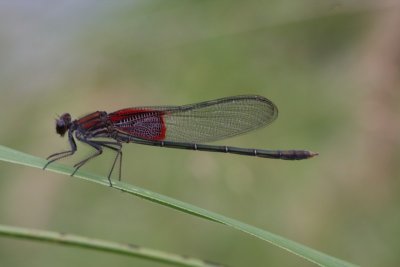
There is a road on the north side of the Niobrara River. It has many photographic opportunities. These photos were taken when I visited in September. The first three photos were taken within about ten feet of each other.
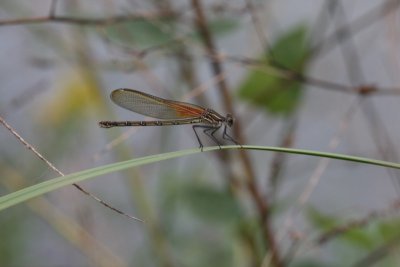
This is a male American Rubyspot

larger image


A female American Rubyspot

larger image


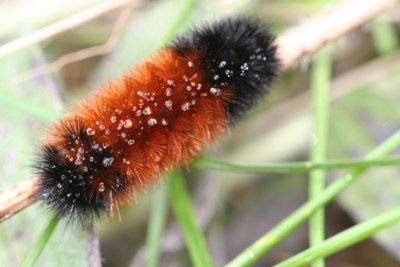
This Woolly Bear Caterpillar showed the evidence of the short rain shower we had earlier in the morning.


larger image


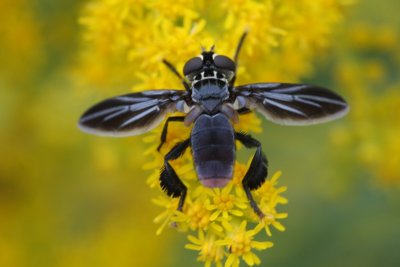
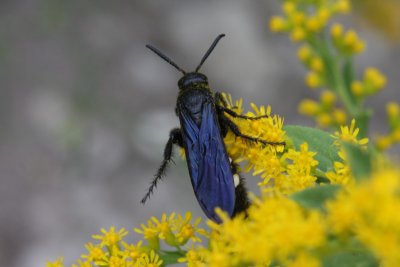
Further down the road there was a patch of flowers where I found these guys

A Feather-legged Fly

larger image


Then there's this guy that I never did nail an id on.

larger image


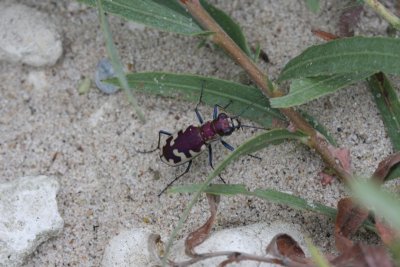
And last, but not least, is a colorful guy that really moved fast. Never was able to id him either.

larger image

For more Camera Critters click on the logo


Camera Critters